

Planning & Tips
Wifi, Electricity and Charging on Safari: What Kenya’s Camps Actually Offer
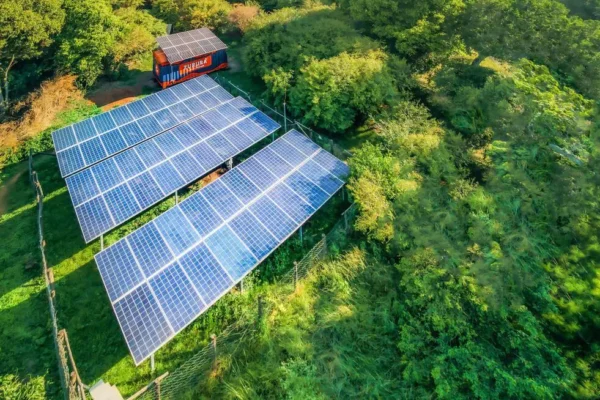
From a generator that switches off at ten to a Land Cruiser fitted with its own charging console,…
Read more →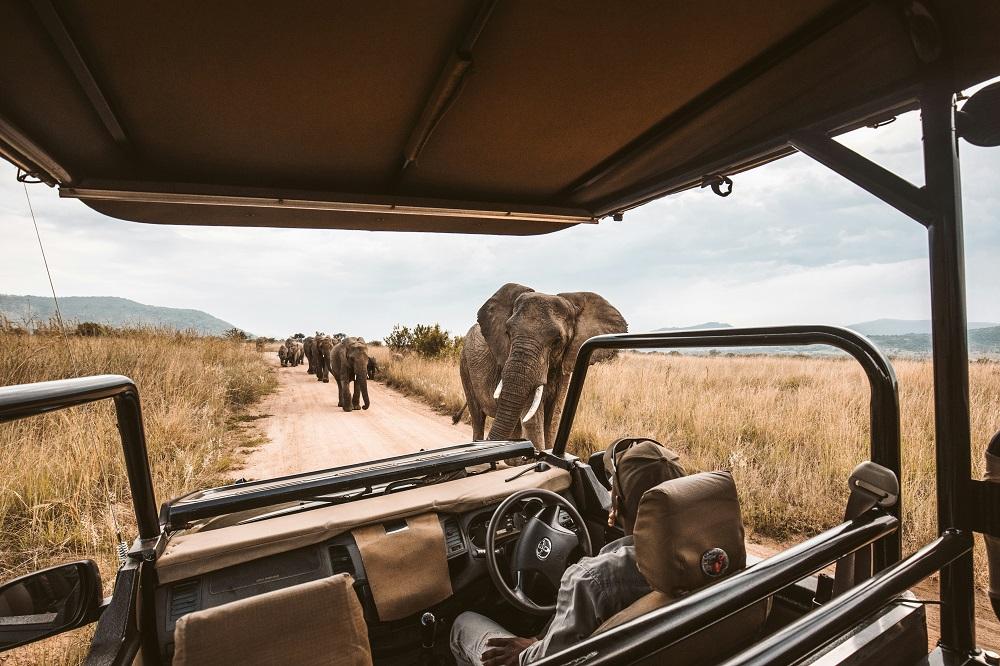
Mikumi National Park is Tanzania's accessible wildlife gem, offering classic savannah landscapes, abundant wildlife, and outstanding game viewing just a few hours from Dar es Salaam. Home to lions, elephants, giraffes, zebras, buffaloes and diverse birdlife, it's the perfect destination for an authentic safari adventure.
Mikumi Main Gate, just after six in the morning. The first light is spreading across the Mkata Floodplain, the road is still cool from the night and somewhere beyond the acacia woodland a herd of zebra is already moving toward the water. The gates may be only a few hours from Dar es Salaam, but once the vehicle turns onto the game-viewing tracks, the city feels a long way away.
Mikumi National Park sits in Morogoro Region in southern Tanzania, roughly 288 kilometres west of Dar es Salaam by road. Covering about 3,230 square kilometres, Mikumi National Park is Tanzania’s fourth-largest national park and forms part of a much larger ecosystem connected with Nyerere National Park to the south. The park’s defining feature is the Mkata Floodplain, a broad open grassland surrounded by woodland and mountains where elephants, buffalo, giraffe, zebra, wildebeest and predators are regularly seen.
What makes Mikumi National Park particularly appealing is accessibility. You can leave Dar es Salaam in the morning and be on a game drive later the same day, making Mikumi one of Tanzania’s most practical safari destinations for short breaks and first-time visitors. The park also delivers a genuine big-game experience without requiring the long journeys associated with some of Tanzania’s more remote parks.
Mikumi National Park is not the Serengeti, and we never present it as one. It offers something different: open floodplain landscapes, excellent elephant and buffalo sightings, resident lions, hippos, giraffes, zebras and the possibility of seeing African wild dogs, all within a comparatively accessible southern Tanzania setting.
If you are staying in Dar es Salaam and want a real Tanzania safari without committing to a week in the northern circuit, Mikumi National Park is often where we recommend starting.
Mikumi National Park is a 3,230-square-kilometre wildlife park in Morogoro Region, southern Tanzania. Gazetted as a national park in 1964, it is Tanzania’s fourth-largest national park and is famous for the Mkata Floodplain, large herds of buffalo and elephant, lions, giraffes, zebras, hippos and more than 400 recorded bird species. The park is also connected ecologically with the much larger Nyerere National Park to the south.
Location: Morogoro Region, southern Tanzania
Size: Approximately 3,230 square kilometres (1,250 square miles)
Established: 1964
Managed by: Tanzania National Parks Authority (TANAPA)
Distance from Dar es Salaam: Approximately 288 kilometres by road
Driving time from Dar es Salaam: Roughly 3–5 hours depending on traffic and road conditions
Known for: Mkata Floodplain, elephants, buffalo, lions, giraffes, zebras, hippos and African wild dogs
Main landscape: Open savannah, floodplain, acacia woodland, baobabs and surrounding mountains
Neighbouring ecosystem: Nyerere National Park and the wider southern Tanzania wildlife ecosystem
Main activities: Game drives, birdwatching and guided walking safaris in designated areas
Mikumi National Park is one of the easiest places in southern Tanzania to experience a broad selection of African wildlife within a relatively short safari. The Mkata Floodplain is particularly productive because its open grasslands make animals easier to spot, while nearby woodland provides cover for species that prefer thicker vegetation.
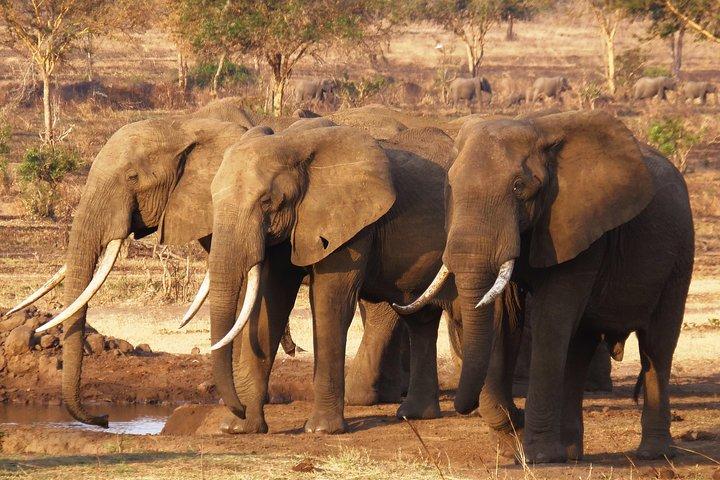
Elephants are among the most memorable animals in Mikumi National Park. Large herds can often be seen moving across the floodplain or gathering around water sources, particularly during the dry season when available water becomes more concentrated. Buffalo are equally characteristic, sometimes appearing in substantial herds across the open grasslands.
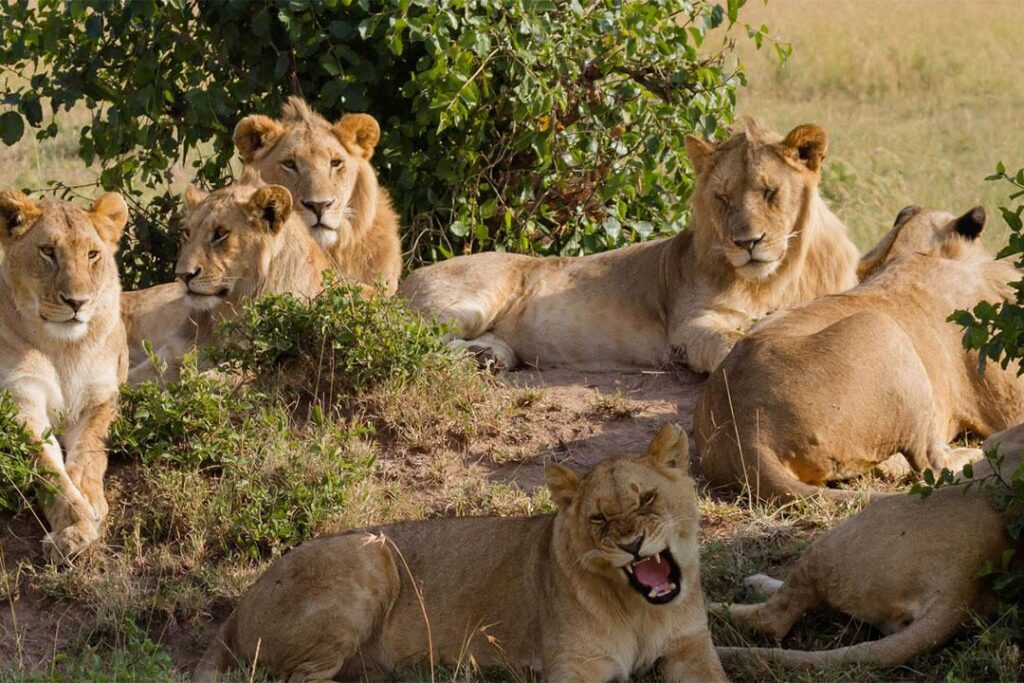
Lion is one of the principal predators of Mikumi National Park, with the Mkata plains providing excellent habitat for hunting and resting. Leopard and cheetah are also present, although sightings are less predictable and usually require patience. African wild dogs occur within the wider ecosystem and are among the more exciting, though less guaranteed, sightings for visitors.
The park is also home to giraffe, zebra, wildebeest, impala, eland, hippo and crocodile. Less commonly encountered species include sable antelope, Lichtenstein’s hartebeest and greater kudu, particularly in the wooded areas surrounding the Mkata plains.
QUICK ANSWER | What animals can you see in Mikumi National Park?
Mikumi National Park is home to elephants, buffalo, lions, leopards, cheetahs, giraffes, zebras, wildebeest, hippos, crocodiles, eland and African wild dogs. The surrounding woodland can also hold species such as sable antelope, greater kudu and Lichtenstein’s hartebeest.
The Mkata Floodplain is the visual and ecological centre of Mikumi National Park.
The broad grassland opens out beneath the surrounding mountains, creating long sightlines that are particularly useful for wildlife viewing. During the dry season, animals become increasingly concentrated around permanent and seasonal water sources, making the floodplain one of the most reliable areas for game drives.
Elephants, buffalo, zebra, wildebeest and giraffe regularly cross the plains, while lions use the open country to hunt or rest beneath isolated trees. Hippo pools and waterholes add another dimension to the wildlife experience.
The landscape is also one of the reasons Mikumi National Park works so well for first-time safari travellers. You do not need to spend hours searching through dense vegetation to understand the scale and rhythm of the ecosystem. Much of the wildlife is visible against an open horizon.
Mikumi National Park is enclosed by an impressive mountain setting. The Uluguru Mountains rise to the northeast, while the Vidunda Mountains form part of the landscape toward the southwest. The surrounding mountains help create the distinctive horseshoe-shaped setting around the Mkata Floodplain.
The combination of mountains, floodplain, woodland and open savannah gives Mikumi National Park a character that is noticeably different from the endless plains of the Serengeti.
For photographers, this combination is especially useful. A giraffe against an open floodplain, elephants framed by distant mountains or a lion resting beneath an acacia tree can produce photographs that feel distinctly southern Tanzanian.
Game drives are the main reason most visitors come to Mikumi National Park. Morning and afternoon drives explore the Mkata Floodplain, woodland tracks and waterholes, with the exact route depending on recent sightings, weather and road conditions.
Early morning game drives are particularly productive because temperatures are cooler and predators can still be active after the night. Afternoon drives gradually become more atmospheric as the heat decreases and wildlife begins moving again.
The park’s road network makes it possible to cover a good amount of ground without turning the safari into an exhausting exercise in driving.
Mikumi National Park is well suited to wildlife photography because much of the Mkata Floodplain is open and relatively unobstructed.
The combination of golden grass, scattered acacia, distant mountains and large mammals provides plenty of opportunities for both close wildlife portraits and wider landscape compositions. Morning and late-afternoon light are particularly rewarding.
Elephants crossing the plains, giraffes silhouetted against the sky and large buffalo herds are among the scenes photographers often hope to capture.
Mikumi National Park is also an important birding destination, with more than 400 bird species recorded in the wider park environment. Acacia woodland, seasonal pans, riverine habitats and open grassland create different habitats for both resident and seasonal species.
Birdwatchers can look for rollers, bee-eaters, hornbills, eagles and seasonal waterbirds, while the green season can be particularly rewarding for migrants and breeding activity.
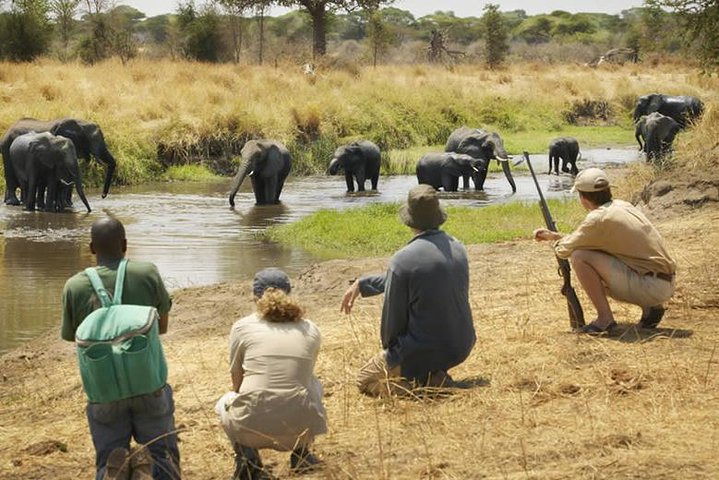
Walking safaris are available in designated areas of Mikumi National Park and offer a very different perspective from a vehicle-based game drive.
Instead of focusing primarily on large animals, walking brings attention to tracks, insects, plants, birds and smaller signs of wildlife. With an experienced guide and appropriate ranger arrangements, a short walk can add a useful second layer to a Mikumi safari.
Some safari camps and lodges around Mikumi can arrange bush breakfasts or sundowners as part of a private safari.
A breakfast after an early game drive gives you time to appreciate the landscape without the engine running, while sundowners provide an opportunity to stop and watch the Mkata Floodplain change colour as the sun drops behind the surrounding hills.
These experiences work particularly well for couples and private safari groups looking for a slower pace between game drives.
African wild dogs are among the most exciting species associated with the southern Tanzania ecosystem.
They are not guaranteed on a Mikumi National Park safari, but their presence adds another layer to the park’s wildlife value. Wild dogs require large territories and can cover considerable distances, meaning sightings depend heavily on the location of the pack at the time of your visit.
For guests particularly interested in African wild dogs, we normally recommend combining Mikumi National Park with another southern Tanzania destination rather than relying on Mikumi alone.
Birding is one of the quieter strengths of Mikumi National Park.
The park’s combination of open floodplain, woodland, waterholes and seasonal wetlands attracts a wide variety of birds. Raptors are particularly noticeable over the plains, while bee-eaters, rollers and hornbills add colour to the safari experience. Seasonal waterbirds become more prominent when water levels rise.
The green season can be especially rewarding for serious birdwatchers because vegetation becomes more productive and migratory species may be present. TANAPA currently describes Mikumi as a birding destination alongside its game-drive experiences.
Mikumi National Park and Nyerere National Park are geographically connected and can be combined on a southern Tanzania safari.
Mikumi is considerably easier to reach from Dar es Salaam by road, making it particularly useful for short safaris. Its Mkata Floodplain provides concentrated game viewing and open landscapes.
Nyerere National Park, by contrast, offers a much larger wilderness experience and is especially known for its rivers, wetlands and boat safaris.
For travellers with limited time, Mikumi National Park can work as a standalone safari. For travellers with four or more nights available, combining Mikumi and Nyerere creates a broader southern Tanzania experience.
The Serengeti is Tanzania’s flagship safari destination and offers enormous plains, exceptional predator concentrations and the Great Migration.
Mikumi National Park is smaller and easier to access, making it better suited to travellers who have limited time or are based around Dar es Salaam. The wildlife experience is more intimate, while the Mkata Floodplain gives game drives a very different visual character.
We would never recommend Mikumi National Park as a replacement for the Serengeti if the Great Migration is your main objective. Instead, we recommend Mikumi when accessibility, shorter travel time and a southern Tanzania safari experience matter more.
Ruaha National Park offers a much larger and more remote wilderness experience and is particularly famous for elephants, lions and its dramatic dry-season landscapes.
Mikumi National Park is more accessible and easier to combine with Dar es Salaam, Morogoro, Nyerere National Park and Udzungwa Mountains.
If you want remote wilderness and have more time, Ruaha is the stronger choice. If you want a practical southern Tanzania safari that can fit into a shorter itinerary, Mikumi National Park is often the better option.
Mikumi National Park is accessed through several entry points depending on your route and itinerary.
Mikumi Main Gate: The principal access point for visitors approaching from Dar es Salaam and Morogoro and the most convenient entrance for many safari itineraries.
Vuma Gate: An alternative access point toward the northern and central areas of the park.
Uzungwa Gate: Useful for itineraries combining Mikumi National Park with Udzungwa Mountains and southern Tanzania.
The correct gate depends on where you are staying, which section of the park you intend to explore and whether Mikumi is being combined with another destination.
The easiest and most popular way to reach Mikumi National Park is by road from Dar es Salaam.
The park lies approximately 288 kilometres west of Dar es Salaam, with the highway from Dar es Salaam toward Iringa passing through the park for roughly 50 kilometres. The drive typically takes around 3–5 hours depending on traffic, road conditions and where you are starting from.
The road journey is one of Mikumi’s biggest advantages. You do not need to spend an entire day travelling to reach a serious wildlife destination.
For guests travelling from Dar es Salaam, we can arrange a private 4×4 safari vehicle and professional guide, allowing the safari to begin from the moment you leave the city.
Mikumi National Park can also be reached by scheduled or charter flights to the Mikumi airstrip.
Flying is useful for travellers combining Mikumi with more distant southern Tanzania destinations or for those who prefer to minimize road travel.
Road transfers from the airstrip are then arranged according to the accommodation and safari itinerary.
Road travel is normally the better option for a short Mikumi National Park safari starting in Dar es Salaam. The journey is manageable, it keeps costs under control and allows you to combine the transfer with your safari.
Flying makes more sense when Mikumi is part of a wider Tanzania itinerary involving Nyerere, Ruaha or other destinations where long road transfers would consume too much of your holiday.
For most first-time visitors travelling from Dar es Salaam, we recommend the road option.
Mikumi National Park has a warm tropical climate influenced by its elevation, surrounding mountains and seasonal rainfall.
The park experiences a bimodal rainfall pattern, with short rains around October and November followed by a longer rainy period. TANAPA notes that annual rainfall averages around 700 millimetres, although rainfall patterns can be unpredictable. A drier period occurs during January and February.
The dry season generally provides the easiest wildlife viewing because vegetation becomes thinner and animals concentrate around remaining water sources. TANAPA identifies June to October as a particularly strong period for wildlife viewing across Tanzania, while the green season offers lush scenery and excellent birding.
QUICK ANSWER | What is the climate like in Mikumi?
Mikumi National Park has a warm tropical climate with distinct wet and dry periods. The dry season from June to October is generally best for concentrated wildlife viewing, while the green seasons bring lush vegetation, dramatic skies and stronger birding opportunities.
Mikumi National Park is managed by TANAPA and entry fees vary according to nationality, age and the applicable tariff period.
The latest published tariff information should always be checked before travel because Tanzania’s national park fees can change between financial years. TANAPA maintains an official tariff page for current park charges.
For planning purposes, recent TANAPA tariff schedules have placed Mikumi among the standard national parks, with non-resident adult conservation fees around the USD 30–35 range depending on the applicable tariff and tax treatment. Children pay a lower rate, while East African citizens and Tanzanian residents have separate rates.
Most Afrikan Accent Adventures safari packages quote park fees as part of the overall safari price, so guests do not have to organize payment separately at the gate.
Expert Note
Because TANAPA tariffs can change from one financial year to another, we confirm the applicable Mikumi National Park entry fee when preparing the final safari quotation rather than relying on an old published rate.
The dry season is generally the strongest period for a first Mikumi National Park safari. Vegetation becomes thinner, water sources become more important and wildlife is easier to locate around the Mkata Floodplain and other permanent water areas.
These months can also offer good game viewing because of the relatively dry conditions. The landscape remains warm, and wildlife can be easier to locate around water.
The short rains transform the landscape. Grass becomes greener, temperatures can be more comfortable and birdlife becomes increasingly interesting. Visitor numbers can also be lower than during the peak dry-season period.
The longer rains produce lush scenery and dramatic skies but can make some tracks muddy. This period is better suited to travellers who value scenery, birding and quieter safari conditions over maximum predictability for wildlife viewing.
QUICK ANSWER | What is the best time to visit Mikumi?
June to October is generally the best time to visit Mikumi National Park for concentrated wildlife viewing. January and February can also be productive, while November to December and March to May are better suited to travellers interested in greener scenery, birding and fewer visitors.
One night gives you a quick taste of Mikumi National Park, particularly if you are travelling from Dar es Salaam. It can work well for travellers with limited time, although the schedule will be relatively fast.
Two nights is our recommended minimum for a proper Mikumi National Park safari. It allows enough time for several game drives without making the entire trip feel like a transfer from Dar es Salaam and back.
Three nights work well for travellers who want a slower safari, additional birding, a walking experience where available, or a combination with nearby destinations.
Four or more nights allows Mikumi National Park to become part of a wider southern Tanzania safari, potentially combined with Nyerere National Park, Udzungwa Mountains or Ruaha National Park.
QUICK ANSWER | How many days do you need in Mikumi?
Two nights and three days is a good starting point for a Mikumi National Park safari. One night works for a short weekend-style safari from Dar es Salaam, while three or more nights are better for travellers combining Mikumi with other southern Tanzania destinations.
Mikumi National Park offers one of the easiest ways to experience a genuine Tanzania safari from Dar es Salaam.
Its greatest advantage is accessibility. You can reach the park by road in only a few hours, yet the landscape immediately changes into open savannah, woodland and floodplain populated by elephants, buffalo, giraffe, zebra, wildebeest and predators.
The Mkata Floodplain is another major reason to visit. Its open terrain creates excellent sightlines, and wildlife is often easier to locate than in thicker woodland environments.
Mikumi National Park also provides an excellent introduction to southern Tanzania. Travellers who have already visited the northern circuit can use Mikumi as a gateway toward Nyerere, Ruaha and Udzungwa, while first-time safari travellers can enjoy a shorter and more affordable introduction to Tanzania’s wildlife.
If you are staying in Dar es Salaam and have only two or three days available, Mikumi National Park is one of the most practical safari choices in the country.
The cost of a Mikumi National Park safari depends mainly on accommodation, number of travellers, season, vehicle type and whether you travel by road or air.
As a general planning guide, budget and simple camping safaris can be built at the lower end of the market, while mid-range lodge and tented-camp safaris provide a balance between comfort and price. Luxury options cost more, particularly when using exclusive camps, private vehicles and fly-in arrangements.
Park entry fees, accommodation, meals, guide services, safari vehicle costs and transfers are normally combined into the safari quotation.
For a private road safari from Dar es Salaam, the number of travellers can make a significant difference to the per-person cost because the vehicle and guide costs are shared between guests.
Expert Note
For Mikumi National Park, we usually recommend starting with the number of nights and accommodation level rather than choosing a fixed package. That allows us to balance your budget against game-drive time and avoid paying for unnecessary transfers.
We build Mikumi National Park into several different safari styles.
A 2-day Mikumi safari is ideal for travellers based in Dar es Salaam who want a short wildlife escape.
A 3-day Mikumi safari provides a more relaxed experience with multiple game drives and enough time to appreciate the Mkata Floodplain properly.
A Mikumi and Nyerere safari combines two major southern Tanzania destinations and works particularly well for travellers with four to six nights.
A Mikumi and Udzungwa Mountains safari combines wildlife with rainforest, hiking and waterfalls.
For longer holidays, Mikumi National Park can also form part of a southern Tanzania circuit incorporating Nyerere and Ruaha National Parks.
We tailor the route around your travel dates, accommodation preference, budget and whether you prefer a private safari or a shared arrangement.
Accommodation around Mikumi National Park ranges from simple campsites and budget lodges to comfortable mid-range lodges and more exclusive tented camps.
Properties near the main park entrance are convenient for travellers arriving from Dar es Salaam, while accommodation deeper into the surrounding ecosystem can provide a more immersive bush experience.
For most of our guests, we recommend a comfortable mid-range lodge or tented camp with easy access to the park gates. This provides a good balance between safari time, comfort and overall cost.
For couples and honeymoon travellers, we can instead prioritize more private tented camps and properties with stronger views, quieter settings and additional bush experiences.
Mikumi National Park can work particularly well for families because the road journey from Dar es Salaam is relatively manageable and wildlife viewing on the Mkata Floodplain is straightforward.
Children can see elephants, giraffes, zebras, buffalo and other large animals without spending several days travelling between remote parks.
For families, we normally recommend private safari vehicles so the itinerary can move at a comfortable pace and game drives can be adjusted around children’s needs.
Mikumi National Park is not traditionally marketed as Tanzania’s main honeymoon destination, but its accessibility makes it useful for couples who want to add a short safari to a coastal or city stay.
A private game drive, bush breakfast, sundowner and comfortable lodge can turn a two- or three-night Mikumi safari into a memorable extension to a Tanzania beach holiday.
For couples flying into Dar es Salaam before continuing to Zanzibar, Mikumi can also provide a convenient wildlife experience before the beach portion of the trip.
Udzungwa Mountains National Park lies within the same broader southern Tanzania region and creates an excellent contrast with Mikumi National Park.
Mikumi is primarily a savannah and wildlife destination, while Udzungwa is known for forest, mountains, hiking and waterfalls.
Combining the two allows travellers to experience two completely different environments without travelling enormous distances between them.
For active travellers, a Mikumi and Udzungwa itinerary is particularly attractive because it combines traditional game drives with walking and mountain experiences.
Responsible tourism in Mikumi National Park begins with respecting wildlife and the park’s rules.
Guests should remain inside the safari vehicle unless their guide and park authorities have designated a safe area for walking, maintain a respectful distance from animals, avoid loud behaviour and never attempt to feed wildlife.
Tourism also contributes directly to the conservation of Tanzania’s protected areas through park fees and regulated tourism activity.
Choosing a responsible safari operator, using experienced guides and following TANAPA regulations helps ensure that Mikumi National Park remains a viable wildlife destination for future generations.
From the open Mkata Floodplain to its elephants, buffalo, giraffes, lions and remarkable birdlife, Mikumi National Park offers a genuine southern Tanzania safari without the long travel times associated with some of the country’s more remote parks.
Its location makes it especially attractive for travellers staying in Dar es Salaam, while its connection to the wider southern Tanzania ecosystem makes it an excellent starting point for longer safari circuits.
We build Mikumi National Park safaris around your preferred travel dates, accommodation level and interests, whether you want a quick two-day wildlife escape, a relaxed three-day safari or a longer southern Tanzania adventure combining Mikumi with Nyerere, Udzungwa or Ruaha.
If you are looking for a Tanzania safari that gives you real wildlife, open landscapes and excellent game viewing without spending most of your holiday on the road, Mikumi National Park deserves a place on the itinerary.
Mikumi is not simply the convenient safari option. It is one of southern Tanzania’s most rewarding wildlife destinations—and sometimes the easiest way to discover why travellers keep coming back to Tanzania.
They call Mikumi "the Little Serengeti," and standing on the Mkata Floodplain, watching lions survey the grasslands from a termite mound while zebra and giraffe drift past, you'll see why. The difference? You can be here in an afternoon's drive from Dar es Salaam, not a week of planning. Big-game Tanzania, without the long haul or the premium price tag.
The park's signature landscape — open golden grassland stretching to the horizon, criss-crossed by an excellent circuit of game-viewing tracks. This is…
Mikumi is one of the few places in Tanzania where lions are regularly seen lounging in trees and atop termite mounds. Your…
Mikumi is arguably the single best place in Tanzania to see the eland, the world's largest antelope, out on the Mkata plains.…
Large, relaxed herds of elephant forage in the acacia shade along the Mkata River, and buffalo move across the plains in impressive…
Just 5 km from the northern entrance gate, two permanent pools teem with hippos and a supporting cast of water birds. An…
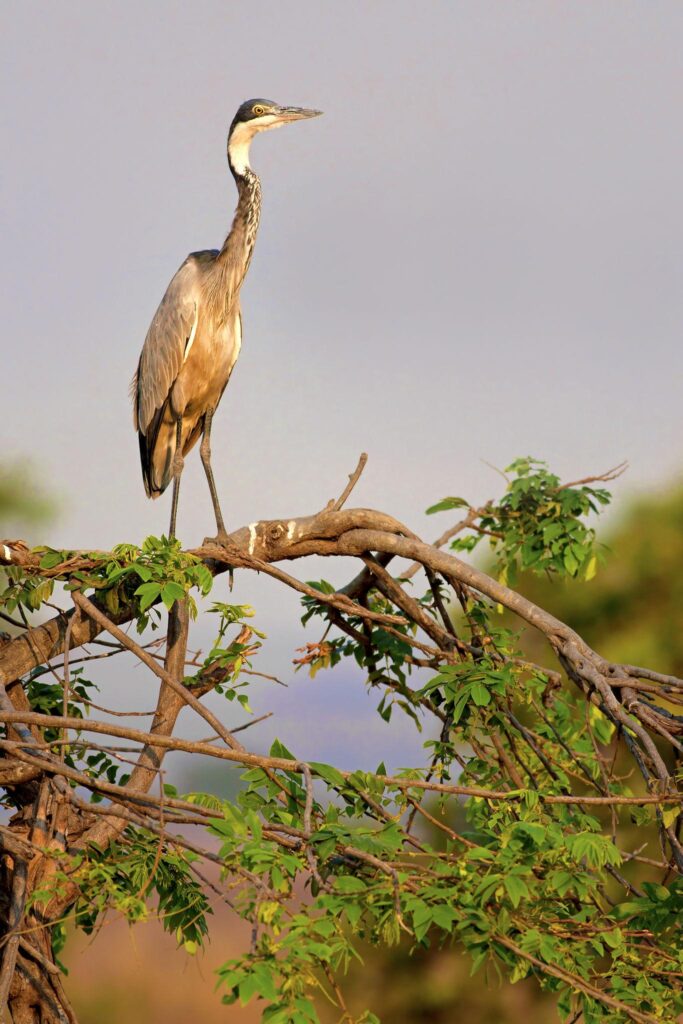
A southern-Tanzania birding hotspot. Lilac-breasted rollers, bateleur eagles, yellow-throated longclaws and marabou storks are common, and migratory species swell the numbers from…
The paved A7 highway runs straight through the park, putting Mikumi around 4–5 hours from Dar es Salaam. It's one of the…
Beyond classic 4×4 game drives, Mikumi offers guided walking safaris that let you experience the bush on foot — tracks, birdsong, smaller…
From value camps to premium lodges — we match every stay to your style and budget.
Mikumi is one of Tanzania's most budget-friendly big-game parks, and its cheapest options prove it. Inside the park, TANAPA campsites let you sleep in true wilderness for a modest fee (bring your own gear).
Spacious canvas tents on raised platforms with private decks, often inside or adjacent to conservancies. Better access and fewer crowds.
Comfortable tented camps rather than five-star international lodges — Mikumi is more understated than the northern circuit, which is part of its charm.
Every season has its magic — here's what to expect when, so you can travel at your perfect time.
Everything you need to know before you go — and we’ll guide you through every step.
Mikumi National Park is located in the Morogoro Region of southern Tanzania, bordering the Nyerere National Park ecosystem. It is Tanzania's fourth-largest national park and one of the easiest to access.
The park is approximately 300 km from Dar es Salaam via the paved A-7 highway, with a driving time of about 5–6 hours. The route offers scenic views of the Uluguru Mountains and rural Tanzania.
Scheduled and charter flights operate from Dar es Salaam, Zanzibar, and other safari destinations to Mikumi Airstrip, located within the park. Flight time from Dar es Salaam is approximately 1 hour.
Entry fees are managed by Tanzania National Parks (TANAPA) and vary by visitor category. Fees are generally charged per person per 24-hour period.
Mikumi enjoys a warm tropical climate with temperatures ranging from 20°C to 30°C. The dry season offers excellent game viewing, while the green season brings lush landscapes and abundant birdlife.
The best months are June to October and January to February, when wildlife gathers around rivers and waterholes and vegetation is less dense.
Pack lightweight neutral-coloured clothing, a light jacket for early mornings, a hat, sunscreen, insect repellent, comfortable walking shoes, binoculars, and a camera with a telephoto lens.
The Tanzanian Shilling (TZS) is the official currency. Most lodges accept major credit cards, while cash is recommended for park fees, tips, and purchases in local communities.
Mobile network coverage is available around the park headquarters and most lodges. Wi-Fi is provided at many safari camps and lodges, although speeds may vary.
Tanzania uses 230V electricity with Type D and Type G plugs. Most safari lodges provide charging facilities, often powered by solar energy or generators.
Malaria precautions are recommended. Carry personal medications, drink bottled or purified water, and ensure routine travel vaccinations are up to date before visiting.
Early mornings and late afternoons offer the best lighting and the highest wildlife activity, especially across the Mkata Floodplain where elephants, giraffes, zebras, and lions are frequently seen.
Stay on designated tracks, respect wildlife viewing distances, avoid littering, and support eco-friendly lodges and local community conservation initiatives.
Tipping is appreciated for safari guides, drivers, lodge staff, and porters. Amounts vary depending on the level of service received.
Mikumi is famous as "the Little Serengeti" for its open Mkata Floodplain, abundant and easily seen big game (four of the Big Five), tree-climbing lions, and — above all — its accessibility, with a paved highway connecting it to Dar es Salaam in about 4–5 hours.
By road, it's a ~4–5 hour drive (about 283 km) west of Dar es Salaam via the surfaced A7 through Morogoro. By air, charter and scheduled light aircraft serve the park's airstrip from Dar es Salaam, Nyerere/Selous, Ruaha and Zanzibar. Its position on the highway also makes it Tanzania's most self-drive-friendly park.
June to October (dry season) offers the best wildlife viewing — thinner vegetation, animals gathered at water, and firm roads. November to March is greener with superb birding and fewer visitors.
For 2025–2026, TANAPA charges non-resident adults US$30 per day and children (5–15) US$10; under-5s are free. Expatriate residents pay US$15/US$5, and East African citizens TSh 5,000/2,000. Separate vehicle fees apply (from ~US$10/day for a private car), plus 18% VAT on many charges. Fees are revised annually — confirm at booking.
Mikumi has four of the Big Five: lion, elephant, buffalo and leopard (no rhino). You'll also see zebra, wildebeest, giraffe, hippo, eland, sable antelope, greater kudu, warthog, baboon, crocodile and — with luck — cheetah and wild dog.
Yes — it's arguably Tanzania's best park for a short break. Its highway access from Dar es Salaam makes one- or two-night safaris genuinely practical, which is far harder at remote parks like Ruaha or Katavi.
Yes. Mikumi is one of the few Tanzanian parks well suited to self-drive, thanks to the paved road through it and a decent network of game-viewing tracks on the Mkata plains. A 4×4 is still recommended, especially off the main circuit.
Inside the park: Vuma Hills Tented Camp and Stanley's Kopje (premium) and Mikumi Wildlife Camp (mid-range). Near the park: Camp Bastian and Mikumi town guesthouses (budget). TANAPA campsites serve the most budget-conscious. In the rainy season, town-based lodges are the safer bet.
One to three days. A single full day covers the Mkata plains and hippo pools; two to three days lets you explore quieter areas and combine walking safaris with game drives. Many visitors pair Mikumi with Nyerere, Udzungwa or Ruaha.
The park is safe with professional guiding. It lies in a malaria region, so antimalarial prophylaxis, repellent and covered clothing at dawn/dusk are strongly advised. Note the highway through the park is genuinely busy — drive cautiously, as wildlife crosses it.
Absolutely. Mikumi is the gateway to Tanzania's southern circuit and connects by road to Udzungwa Mountains (~2 hrs), Nyerere/Selous and Ruaha. It pairs naturally as the accessible first leg of a longer southern safari.
Guided walking safaris, birdwatching (400+ species), the hippo pools and cultural or village visits near Mikumi town. Some operators offer night drives where permitted. Photography on the open plains is outstanding.
From a generator that switches off at ten to a Land Cruiser fitted with its own charging console,…
Read more →
A working checklist from a Nairobi ground operator on licensing, red flags and the questions that separate real…
Read more →
Both parks hold the same herds and the same rivers, but the border between them changes your budget,…
Read more →Tell us what you’d love to see and a local specialist will design a tailor-made itinerary around you — no obligation, reply within 24 hours.