

Planning & Tips
What to Pack for an African Safari: Everything You Actually Need and What You Don’t
The packing guide built from years of watching what goes wrong at the airstrip, on the vehicle and…
Read more →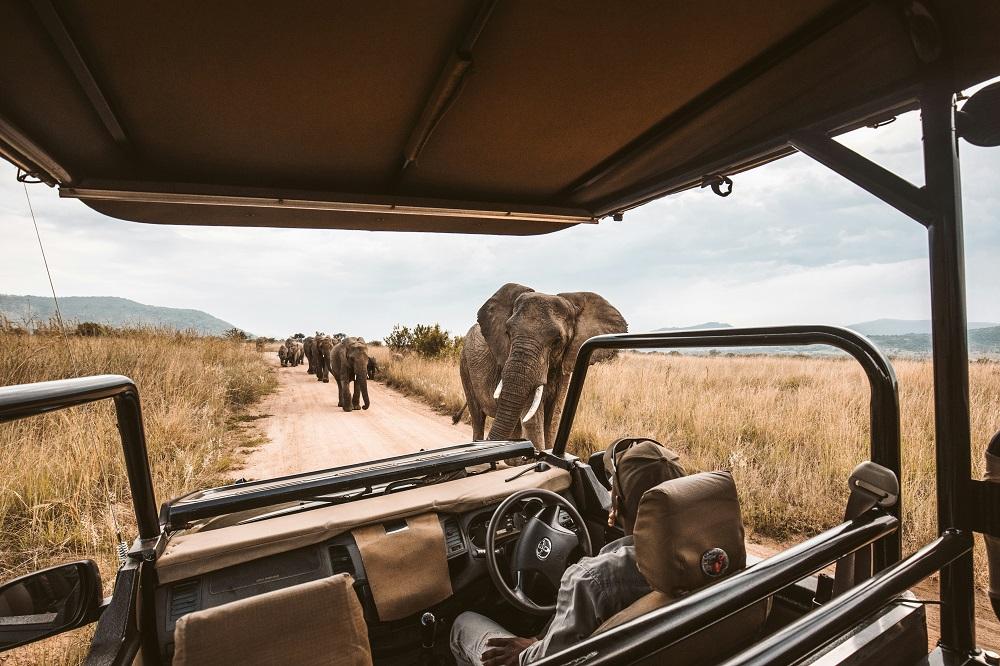
Mikumi National Park is Tanzania's accessible wildlife gem, offering classic savannah landscapes, abundant wildlife, and outstanding game viewing just a few hours from Dar es Salaam. Home to lions, elephants, giraffes, zebras, buffaloes and diverse birdlife, it's the perfect destination for an authentic safari adventure.
Introduction
Mikumi National Park is Tanzania’s fourth-largest national park and the most accessible major game reserve in the country, spanning approximately 3,230 km² (1,247 sq mi) across the Morogoro Region of southern Tanzania. Gazetted in 1964, it takes its name from the nearby village of Mikumi — which in turn borrowed it from the borassus palms (Mikumi in Swahili) that once flourished across the area. The park lies cradled in a natural corridor between the Uluguru Mountains to the northeast and the Rubeho (Lumango) range to the southwest, a setting that gives it both dramatic scenery and remarkable ecological diversity.
What makes Mikumi genuinely distinctive is a rare combination: big-game abundance on par with far more famous parks, delivered within a half-day’s drive of a major city. A surfaced tarmac highway runs directly through it, making Mikumi the only major Tanzanian park you can realistically visit on a weekend, a self-drive, or a short break — without sacrificing the wildlife density that draws people to safari in the first place.
Mikumi sits at the northern edge of a vast, interconnected wilderness. It shares an unfenced border with Nyerere National Park (the former Selous Game Reserve) to the south, and links onward toward the Udzungwa Mountains — together forming one of Africa’s great protected ecosystems, exceeding 75,000 km² of rivers, floodplains, forests and woodlands. Animals move freely between Mikumi and Nyerere, so the park functions as the accessible gateway to this enormous southern wild.
The park’s defining feature is the Mkata Floodplain, a broad, open expanse of golden grassland so evocative of the north that Mikumi has earned the enduring nickname “the Little Serengeti.” This is the park’s centrepiece and its most reliable game-viewing area, laced with a good network of all-weather tracks. Around it, the landscape shifts through several distinct habitats: dense miombo woodland cloaking the surrounding foothills, acacia stands fringing the Mkata River, seasonal wetlands and hippo pools, scattered rocky outcrops (kopjes) that serve as natural viewpoints and predator lookouts, and open savanna dotted with borassus palms and baobabs. Two permanent hippo pools, roughly 5 km from the northern gate, are a popular first stop.
Elevation across the park ranges from around 550 m on the plains to over 1,250 m in the bordering hills, a gradient that helps drive the habitat variety and, with it, the wildlife diversity.
Mikumi is a genuine big-game park, home to four of the Big Five — lion, elephant, buffalo and leopard — with only rhino absent. Crucially, the animals here are relaxed and well-acclimatised to vehicles, so sightings tend to be close and unhurried.
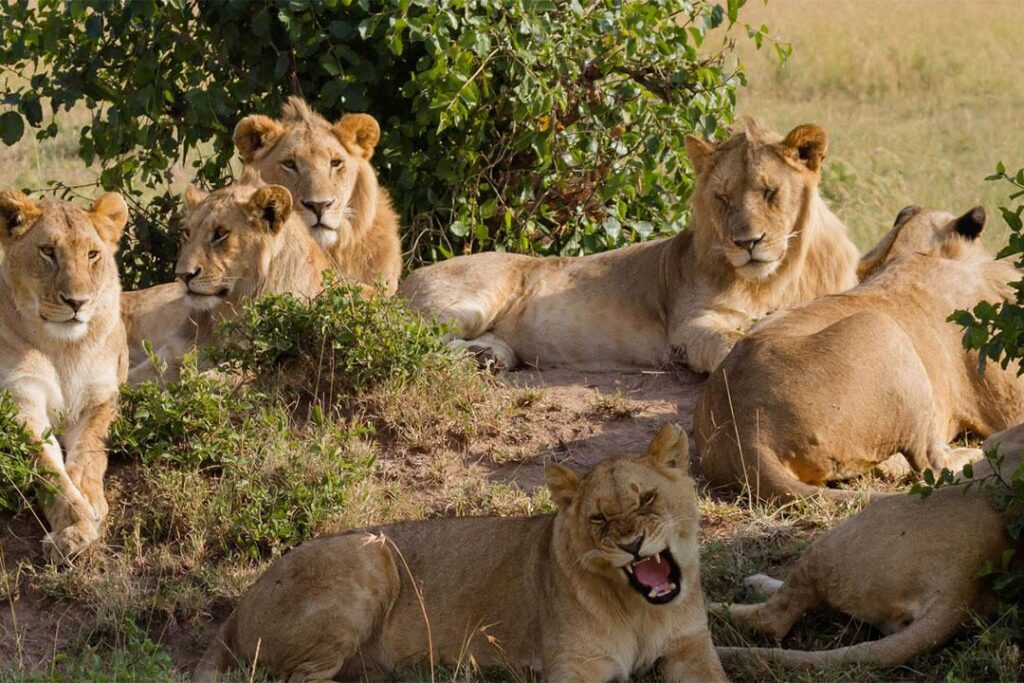
The open Mkata plains support large, visible populations of lion — famously seen surveying their territory from atop termite mounds and, unusually, sometimes lounging in the branches of acacia trees, giving Mikumi a claim to “tree-climbing lions” that can rival Lake Manyara. Big herds of elephant forage in the riverine acacia shade, while buffalo, zebra, wildebeest, impala and Masai giraffe move across the grassland in impressive numbers. Predators beyond lion include leopard, spotted hyena, and — for the fortunate — cheetah and endangered African wild dog.
Mikumi is also one of the best places in all of Tanzania to see the eland, the world’s largest antelope, out on the open floodplain. The wooded foothills shelter more elusive species: the stately greater kudu, the striking sable antelope, Lichtenstein’s hartebeest, and families of yellow baboon at the park’s southern end near Kiboga. Hippo and crocodile patrol the waterways, and a supporting cast of warthog, waterbuck, and smaller mammals rounds out the community.
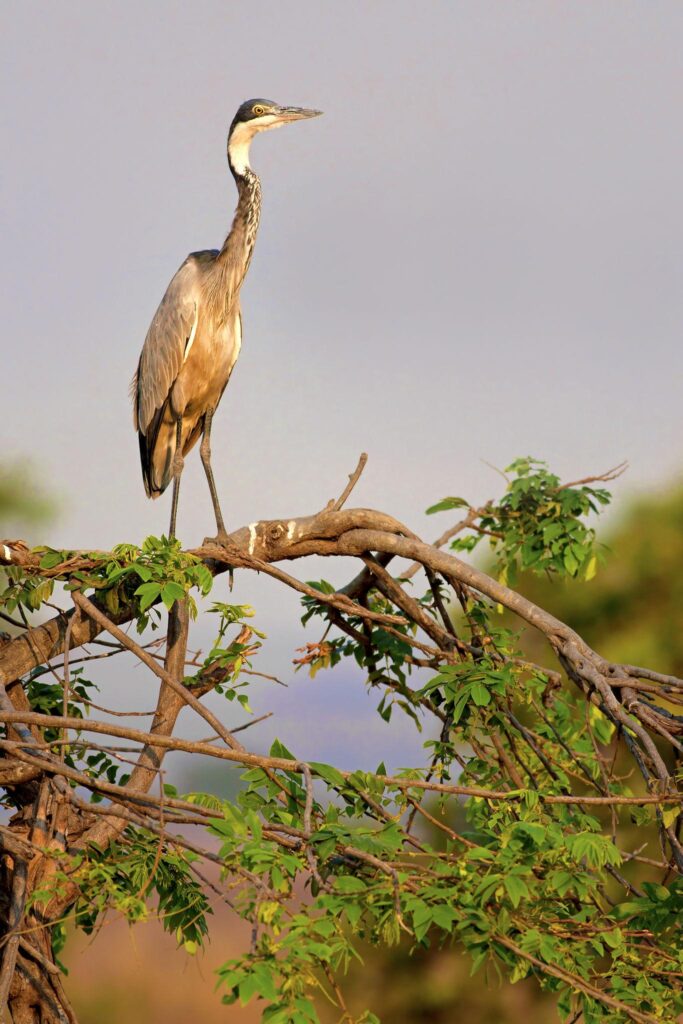
For birdwatchers, Mikumi is exceptional, with over 400 recorded species packed into its varied habitats. Colourful residents are easy to spot and photograph: the dazzling lilac-breasted roller, the yellow-throated longclaw, the acrobatic bateleur eagle, marabou storks, hornbills and bee-eaters among them. From roughly November to April, a wave of Eurasian and intra-African migrants swells the numbers, making the green season the standout time for birding. The hippo pools and seasonal wetlands are reliable magnets for herons, egrets, storks and kingfishers.
More than any single animal, accessibility is what sets Mikumi apart. The paved A7 highway connects the park to Dar es Salaam in about 4–5 hours (283 km), running straight through the park itself — so game viewing can begin before you even reach a gate. This makes Mikumi:
A word of caution worth noting: the highway through the park is genuinely busy, and wildlife crosses it — the Dar–Morogoro stretch in particular demands careful, defensive driving.
Yet despite this ease of access, Mikumi remains refreshingly uncrowded. You can spend an entire day here without seeing another tourist vehicle, an experience increasingly rare in the northern parks. The result is an authentic, affordable big-game safari without the premium prices — or the crowds — of the Serengeti and Ngorongoro.
Mikumi occupies a unique niche in Tanzanian tourism. It offers the wildlife spectacle of a classic savanna park — lions on the plains, elephant herds, giraffe among the acacias, and one of the country’s best chances at eland and sable — with none of the logistical effort that remote parks demand. It’s the ideal choice for first-time safari-goers wanting a reliable big-game experience, for residents and business travellers craving a short bush escape from Dar es Salaam, for budget-conscious travellers seeking value, and for southern-circuit adventurers using it as a springboard to Udzungwa, Nyerere and Ruaha.
In short: Mikumi delivers the essence of an East African safari — big skies, big herds, big cats — without the long haul. It is Tanzania’s most convenient doorway to the wild.
They call Mikumi "the Little Serengeti," and standing on the Mkata Floodplain, watching lions survey the grasslands from a termite mound while zebra and giraffe drift past, you'll see why. The difference? You can be here in an afternoon's drive from Dar es Salaam, not a week of planning. Big-game Tanzania, without the long haul or the premium price tag.
The park's signature landscape — open golden grassland stretching to the horizon, criss-crossed by an excellent circuit of game-viewing tracks. This is…
Mikumi is one of the few places in Tanzania where lions are regularly seen lounging in trees and atop termite mounds. Your…
Mikumi is arguably the single best place in Tanzania to see the eland, the world's largest antelope, out on the Mkata plains.…
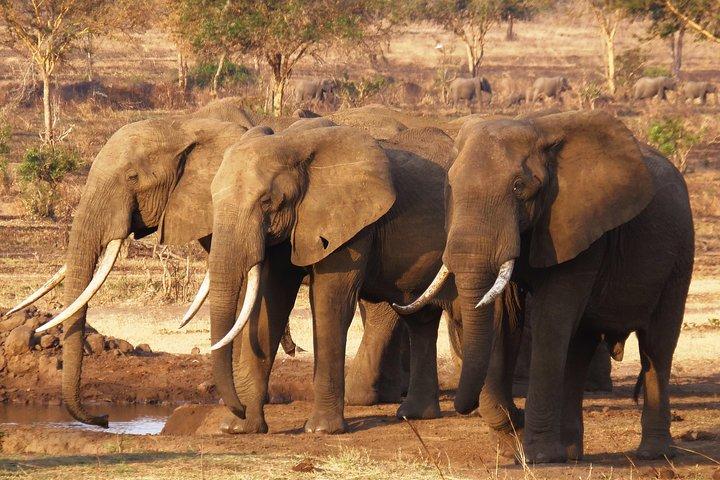
Large, relaxed herds of elephant forage in the acacia shade along the Mkata River, and buffalo move across the plains in impressive…
Just 5 km from the northern entrance gate, two permanent pools teem with hippos and a supporting cast of water birds. An…
A southern-Tanzania birding hotspot. Lilac-breasted rollers, bateleur eagles, yellow-throated longclaws and marabou storks are common, and migratory species swell the numbers from…
The paved A7 highway runs straight through the park, putting Mikumi around 4–5 hours from Dar es Salaam. It's one of the…
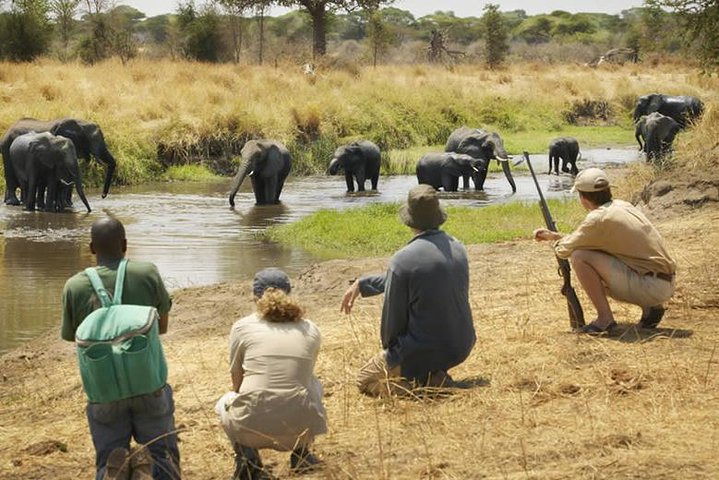
Beyond classic 4×4 game drives, Mikumi offers guided walking safaris that let you experience the bush on foot — tracks, birdsong, smaller…
From value camps to premium lodges — we match every stay to your style and budget.
Mikumi is one of Tanzania's most budget-friendly big-game parks, and its cheapest options prove it. Inside the park, TANAPA campsites let you sleep in true wilderness for a modest fee (bring your own gear).
Spacious canvas tents on raised platforms with private decks, often inside or adjacent to conservancies. Better access and fewer crowds.
Comfortable tented camps rather than five-star international lodges — Mikumi is more understated than the northern circuit, which is part of its charm.
Every season has its magic — here's what to expect when, so you can travel at your perfect time.
Everything you need to know before you go — and we’ll guide you through every step.
Mikumi National Park is located in the Morogoro Region of southern Tanzania, bordering the Nyerere National Park ecosystem. It is Tanzania's fourth-largest national park and one of the easiest to access.
The park is approximately 300 km from Dar es Salaam via the paved A-7 highway, with a driving time of about 5–6 hours. The route offers scenic views of the Uluguru Mountains and rural Tanzania.
Scheduled and charter flights operate from Dar es Salaam, Zanzibar, and other safari destinations to Mikumi Airstrip, located within the park. Flight time from Dar es Salaam is approximately 1 hour.
Entry fees are managed by Tanzania National Parks (TANAPA) and vary by visitor category. Fees are generally charged per person per 24-hour period.
Mikumi enjoys a warm tropical climate with temperatures ranging from 20°C to 30°C. The dry season offers excellent game viewing, while the green season brings lush landscapes and abundant birdlife.
The best months are June to October and January to February, when wildlife gathers around rivers and waterholes and vegetation is less dense.
Pack lightweight neutral-coloured clothing, a light jacket for early mornings, a hat, sunscreen, insect repellent, comfortable walking shoes, binoculars, and a camera with a telephoto lens.
The Tanzanian Shilling (TZS) is the official currency. Most lodges accept major credit cards, while cash is recommended for park fees, tips, and purchases in local communities.
Mobile network coverage is available around the park headquarters and most lodges. Wi-Fi is provided at many safari camps and lodges, although speeds may vary.
Tanzania uses 230V electricity with Type D and Type G plugs. Most safari lodges provide charging facilities, often powered by solar energy or generators.
Malaria precautions are recommended. Carry personal medications, drink bottled or purified water, and ensure routine travel vaccinations are up to date before visiting.
Early mornings and late afternoons offer the best lighting and the highest wildlife activity, especially across the Mkata Floodplain where elephants, giraffes, zebras, and lions are frequently seen.
Stay on designated tracks, respect wildlife viewing distances, avoid littering, and support eco-friendly lodges and local community conservation initiatives.
Tipping is appreciated for safari guides, drivers, lodge staff, and porters. Amounts vary depending on the level of service received.
Mikumi is famous as "the Little Serengeti" for its open Mkata Floodplain, abundant and easily seen big game (four of the Big Five), tree-climbing lions, and — above all — its accessibility, with a paved highway connecting it to Dar es Salaam in about 4–5 hours.
By road, it's a ~4–5 hour drive (about 283 km) west of Dar es Salaam via the surfaced A7 through Morogoro. By air, charter and scheduled light aircraft serve the park's airstrip from Dar es Salaam, Nyerere/Selous, Ruaha and Zanzibar. Its position on the highway also makes it Tanzania's most self-drive-friendly park.
June to October (dry season) offers the best wildlife viewing — thinner vegetation, animals gathered at water, and firm roads. November to March is greener with superb birding and fewer visitors.
For 2025–2026, TANAPA charges non-resident adults US$30 per day and children (5–15) US$10; under-5s are free. Expatriate residents pay US$15/US$5, and East African citizens TSh 5,000/2,000. Separate vehicle fees apply (from ~US$10/day for a private car), plus 18% VAT on many charges. Fees are revised annually — confirm at booking.
Mikumi has four of the Big Five: lion, elephant, buffalo and leopard (no rhino). You'll also see zebra, wildebeest, giraffe, hippo, eland, sable antelope, greater kudu, warthog, baboon, crocodile and — with luck — cheetah and wild dog.
Yes — it's arguably Tanzania's best park for a short break. Its highway access from Dar es Salaam makes one- or two-night safaris genuinely practical, which is far harder at remote parks like Ruaha or Katavi.
Yes. Mikumi is one of the few Tanzanian parks well suited to self-drive, thanks to the paved road through it and a decent network of game-viewing tracks on the Mkata plains. A 4×4 is still recommended, especially off the main circuit.
Inside the park: Vuma Hills Tented Camp and Stanley's Kopje (premium) and Mikumi Wildlife Camp (mid-range). Near the park: Camp Bastian and Mikumi town guesthouses (budget). TANAPA campsites serve the most budget-conscious. In the rainy season, town-based lodges are the safer bet.
One to three days. A single full day covers the Mkata plains and hippo pools; two to three days lets you explore quieter areas and combine walking safaris with game drives. Many visitors pair Mikumi with Nyerere, Udzungwa or Ruaha.
The park is safe with professional guiding. It lies in a malaria region, so antimalarial prophylaxis, repellent and covered clothing at dawn/dusk are strongly advised. Note the highway through the park is genuinely busy — drive cautiously, as wildlife crosses it.
Absolutely. Mikumi is the gateway to Tanzania's southern circuit and connects by road to Udzungwa Mountains (~2 hrs), Nyerere/Selous and Ruaha. It pairs naturally as the accessible first leg of a longer southern safari.
Guided walking safaris, birdwatching (400+ species), the hippo pools and cultural or village visits near Mikumi town. Some operators offer night drives where permitted. Photography on the open plains is outstanding.
The packing guide built from years of watching what goes wrong at the airstrip, on the vehicle and…
Read more →
A practical safari safety guide from an operator who has been in the vehicle, on the plain and…
Read more →
The question isn't simply when Kenya is best. It's when Kenya is best for what you want to…
Read more →Tell us what you’d love to see and a local specialist will design a tailor-made itinerary around you — no obligation, reply within 24 hours.