

Planning & Tips
What to Pack for an African Safari: Everything You Actually Need and What You Don’t
The packing guide built from years of watching what goes wrong at the airstrip, on the vehicle and…
Read more →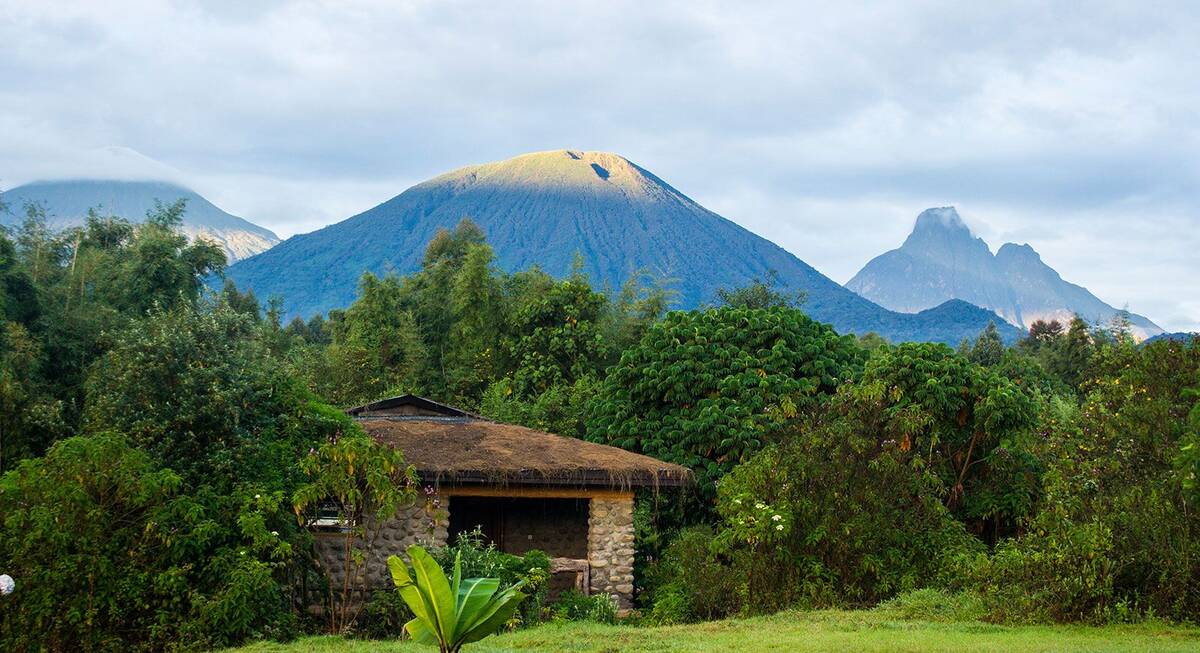
Discover Gishwati-Mukura National Park, Rwanda's newest national park and a hidden gem in the country's lush western highlands. Renowned for its ancient montane rainforest, chimpanzee trekking, exceptional birdwatching and rich biodiversity, the park is home to primates, rare Albertine Rift bird species and breathtaking forest landscapes, offering an intimate eco-tourism experience for nature lovers and wildlife enthusiasts.
Nestled in the western highlands of Rwanda, Gishwati-Mukura National Park is one of the country’s newest and most important conservation areas, protecting a remarkable mosaic of montane forest, bamboo stands, grasslands and wetlands. Located between the districts of Ngororero and Rutsiro, the park forms a vital ecological corridor linking the Gishwati and Mukura forest reserves and offers visitors a rare opportunity to experience one of Rwanda’s most inspiring reforestation and wildlife recovery success stories.
Internationally recognised for its biodiversity, conservation value, and community-based tourism model, Gishwati-Mukura National Park is managed as a protected landscape that balances environmental restoration, wildlife protection, scientific research and sustainable tourism. As a key conservation site in Rwanda’s western region, the park plays an essential role in safeguarding endangered species, restoring degraded ecosystems, and supporting local livelihoods through responsible tourism and conservation partnerships.
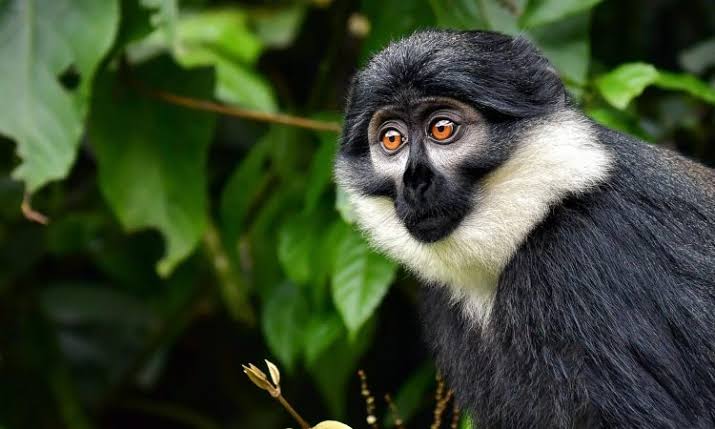
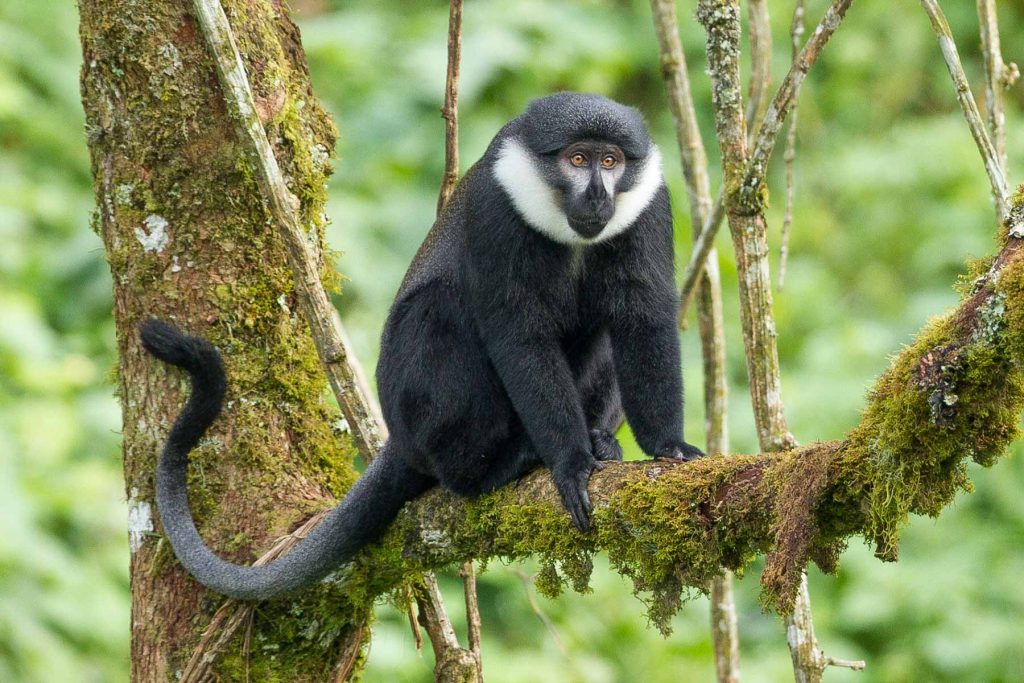
Unlike many traditional safari destinations, Gishwati-Mukura National Park offers an intimate and immersive nature experience centred on forest walks, birdwatching, primate tracking, and community encounters. Visitors can enjoy guided hikes through lush montane forest, search for chimpanzees, golden monkeys, and L’Hoest’s monkeys, observe rare birds and butterflies, and learn about ongoing restoration efforts. This blend of natural beauty, ecological importance, and community engagement has made the park one of Rwanda’s most distinctive emerging destinations.
The park is surrounded by rural communities whose lives are closely connected to the forest through conservation, agriculture, guiding, hospitality, and small-scale enterprise. It also serves as an important destination for researchers, conservationists, and travellers exploring Rwanda’s western tourism circuit. Through ongoing habitat restoration, ranger protection, and community development initiatives, Gishwati-Mukura National Park has become a powerful symbol of Rwanda’s commitment to environmental recovery and sustainable growth.
One of the most memorable experiences in the area is walking through the forest trails while listening to birdsong, watching primates move through the canopy, and taking in sweeping views of the surrounding hills and valleys. Waterfalls, bamboo groves, misty ridgelines, and quiet forest clearings create unforgettable encounters with the park’s natural character. These immersive experiences allow guests to connect deeply with the landscape and make it stand out as a truly remarkable conservation destination.
The landscapes of Gishwati-Mukura National Park are remarkably rich and varied. Dense forest, regenerating woodland, rolling hills, river valleys, and highland grasslands create a beautiful setting for exploration, photography, and wildlife observation. The park’s cool climate and elevated terrain give it a refreshing, year-round appeal that enhances its value for nature lovers and adventure travellers alike.
Visitors are rewarded with exceptional ecological and cultural experiences, as the park is supported by nearby communities, local guides, eco-lodges, and conservation centres that help interpret the region’s natural heritage. Travellers and photographers are equally drawn to the area for its peaceful atmosphere, dramatic forest scenery, and opportunities to capture rare wildlife and mist-covered landscapes that create outstanding moments for observation and photography.
Beyond tourism, Gishwati-Mukura National Park is deeply committed to supporting surrounding communities through conservation employment, education, sustainable agriculture, research, and environmental stewardship. By working closely with residents, institutions, and conservation partners, the park helps promote regional resilience while contributing to long-term ecological and community wellbeing. Every visitor supports these efforts through responsible travel and local engagement.
Whether you are planning a nature escape, a conservation-focused journey, a birdwatching expedition, or a wildlife adventure in Rwanda’s western highlands, Gishwati-Mukura National Park offers one of the country’s most rewarding travel experiences. With exceptional scenery, rare biodiversity, inspiring restoration efforts, warm community hospitality, and access to some of Rwanda’s finest forest landscapes, the park has earned its place among the nation’s most memorable destinations.
Hidden among Rwanda's rolling highlands, <strong>Gishwati-Mukura National Park</strong> protects one of the country's newest and most inspiring conservation success stories. Trek through lush rainforest in search of <strong>chimpanzees</strong>, encounter rare primates and colourful birdlife, and experience a remarkable landscape where ecological restoration, biodiversity, and community conservation come together.
Track wild chimpanzees through one of Rwanda's newest protected rainforests with experienced park rangers.
Explore lush montane forests filled with waterfalls, towering trees and diverse plant life
Spot golden monkeys, L'Hoest's monkeys, blue monkeys and black-and-white colobus monkeys in their natural habitat.
Discover more than 230 bird species, including rare Albertine Rift endemics and colourful forest birds
Experience one of Africa's most inspiring rainforest restoration projects where wildlife conservation and community development go hand in hand.
Capture breathtaking rainforest landscapes, primates, waterfalls and spectacular mountain scenery throughout the park
Enjoy sweeping views of Rwanda's rolling hills, valleys and nearby Lake Kivu from the park's elevated terrain.
Follow scenic forest trails that reveal the park's rich biodiversity, unique ecosystems and panoramic viewpoints.

From value camps to premium lodges — we match every stay to your style and budget.
Budget accommodation near Gishwati-Mukura National Park offers clean and comfortable rooms with essential amenities, friendly hospitality and convenient access to the park. These options are ideal for backpackers, solo travellers and visitors looking for affordable rainforest adventures.
Spacious canvas tents on raised platforms with private decks, often inside or adjacent to conservancies. Better access and fewer crowds.
Luxury accommodation near Gishwati-Mukura National Park offers elegant suites, exceptional dining, personalised service and premium facilities. These properties provide an excellent base for combining rainforest adventures with luxury experiences around Lake Kivu or Volcanoes National Park.
Every season has its magic — here's what to expect when, so you can travel at your perfect time.
Everything you need to know before you go — and we’ll guide you through every step.
Thanks to its high elevation, the park enjoys cool temperatures ranging from 15°C to 24°C (59°F–75°F) throughout the year. Rain showers are possible at any time, so waterproof clothing is recommended.
A yellow fever vaccination certificate may be required if arriving from or transiting through a country with yellow fever risk. Travel insurance covering trekking activities is strongly recommended.
The park is best explored with a 4x4 vehicle and an experienced guide. Guided chimpanzee trekking, forest walks, and birdwatching excursions are organised through the park.
Mobile phone coverage is available in most surrounding areas, although signals may be limited inside dense forest sections. Most nearby lodges provide complimentary Wi-Fi.
Rwanda uses Type C and Type J plugs with a 230V, 50Hz power supply. A universal travel adapter is recommended.
Pack waterproof hiking boots, lightweight rain gear, long trousers, insect repellent, sunscreen, binoculars, a reusable water bottle, a camera, and warm clothing for cool mornings.
Most international visitors can obtain a Visa on Arrival or apply online before travelling to Rwanda. Citizens of East African Community (EAC) member states can enter using a valid national ID or passport
The official currency is the Rwandan Franc (RWF). Major hotels and tour operators accept Visa and Mastercard, while carrying cash is recommended for small purchases and local services.
Rwanda's official languages are Kinyarwanda, English, French, and Swahili. English is widely spoken by guides, park staff, and hospitality providers.
Gishwati-Mukura National Park operates on Central Africa Time (CAT), UTC +2, with no daylight saving time.
Gishwati-Mukura National Park is located in Rwanda's Western Province, approximately 160 km northwest of Kigali, between Lake Kivu and Volcanoes National Park.
The park is renowned for its chimpanzee trekking, successful rainforest restoration, diverse primate populations, rich birdlife, and its role as Rwanda's newest national park.
The best time to visit is during the dry seasons from June to September and December to February, when forest trails are easier to navigate and wildlife viewing is at its best.
Yes. The park is home to a growing community of wild chimpanzees, and visitors can join guided chimpanzee trekking experiences led by trained park rangers.
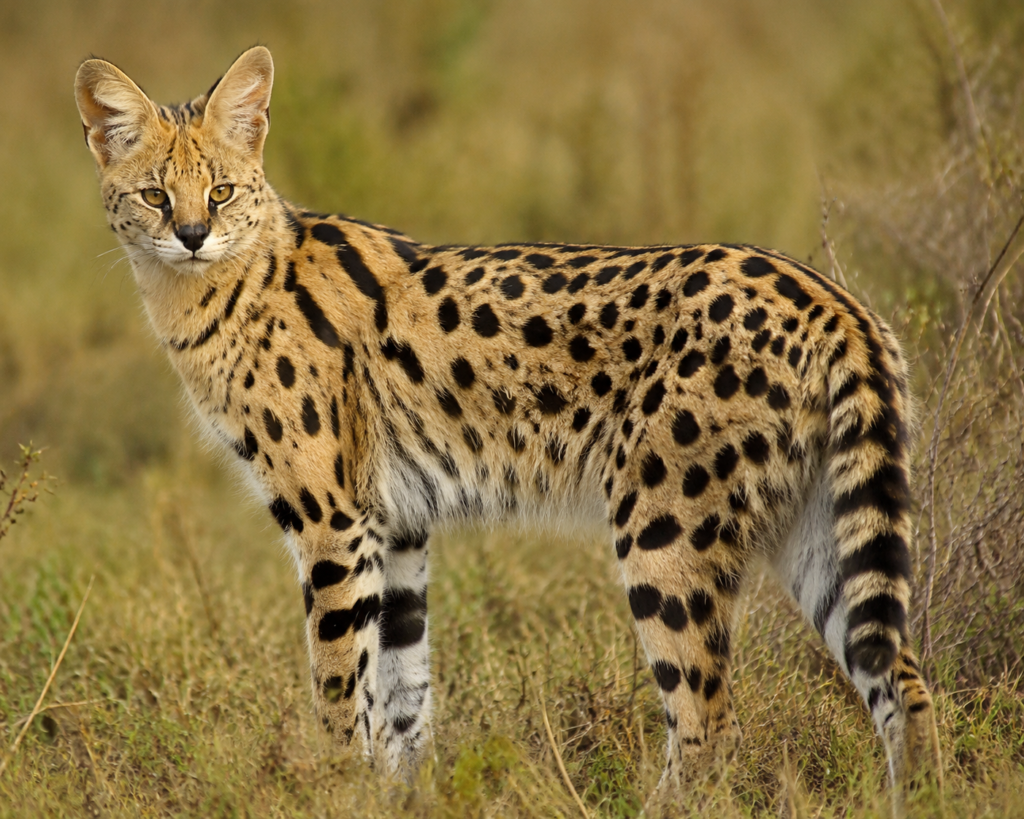
Besides chimpanzees, visitors may encounter golden monkeys, L'Hoest's monkeys, blue monkeys, black-and-white colobus monkeys, servals, and over 230 bird species, including several Albertine Rift endemics..
Park entrance and activity fees vary depending on the experience. Chimpanzee trekking permits are purchased separately from the general park entrance. It is advisable to book permits in advance through the Rwanda Development Board (RDB) or a licensed tour operator.
The park is approximately 160 km (99 miles) from Kigali, taking 3–4 hours by road. Charter flights can also be arranged, followed by a short road transfer.
A stay of 1–2 days is recommended to enjoy chimpanzee trekking, guided forest walks, birdwatching, and nearby cultural experiences.
Bring waterproof hiking boots, long trousers, a light rain jacket, insect repellent, sunscreen, binoculars, a camera, and a reusable water bottle. The rainforest climate can be cool and wet, even during the dry season.
The park is often combined with Volcanoes National Park, Lake Kivu, Nyungwe Forest National Park, Musanze and Kigali, creating a diverse itinerary featuring gorilla trekking, chimpanzee encounters, rainforest adventure and lakeside relaxation.
The packing guide built from years of watching what goes wrong at the airstrip, on the vehicle and…
Read more →
A practical safari safety guide from an operator who has been in the vehicle, on the plain and…
Read more →
The question isn't simply when Kenya is best. It's when Kenya is best for what you want to…
Read more →Tell us what you’d love to see and a local specialist will design a tailor-made itinerary around you — no obligation, reply within 24 hours.